Finding Her Way -Davionna’s Journey
Down syndrome shapes Davionna’s days in ways most people never see—how she moves, how she communicates, how much effort it takes just to participate in everyday life. At ten and a half, Davionna also lives with cerebral palsy, microcephaly, and a congenital heart defect, realities that once meant her world was very small, carefully managed, and physically demanding for both her and her mother.
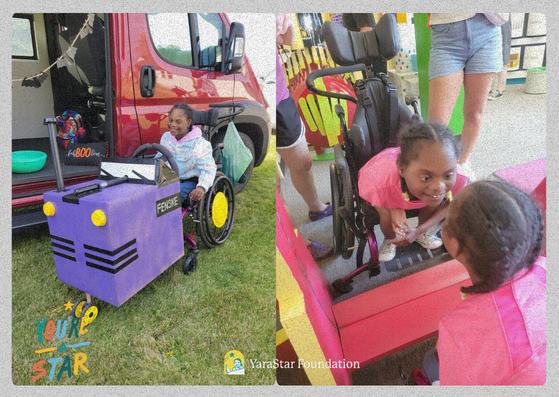
Before beginning her work with Doman International, daily life required constant coordination. Movement was limited, communication was inconsistent, and basic routines like eating and toileting demanded vigilance and advocacy. For mom, being deeply involved in Davionna’s therapy meant balancing emotional stamina, time-intensive caregiving, and a part-time evening job—simply to save enough to stay the course long term.
The Doman Method entered their lives as a rigorous, highly structured approach designed to help children build neurological foundations step by step. At first, it felt overwhelming. Noelle, Davionna’s mom, remembers wondering how they would sustain it. With guidance from coaching staff, that intensity slowly transformed into rhythm—and then into joy.
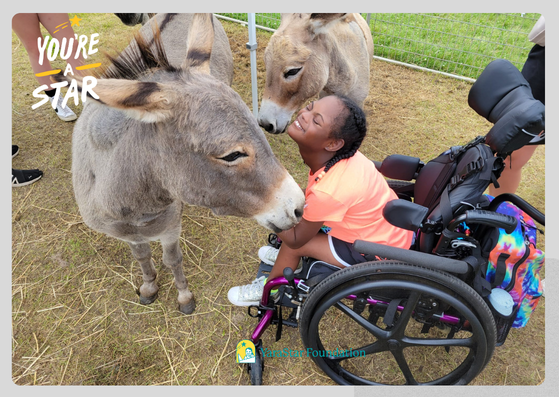
Progress followed. Davionna began crawling independently on a flat floor. She started reading on her own and using facilitated communication to clearly express her wants and needs. Her language grew more spontaneous, her sentences longer. She now eats mostly by mouth and confidently advocates against tube feeding. Even toileting routines shifted as she became better at alerting adults when she needs help.
One of the biggest surprises came from the Inclined Floor—once a source of distress, now something Davionna asks for. Respiratory exercises she loves have helped clarify her speech. Cognitive work taps into her remarkable memory, allowing her to move quickly through learning materials.
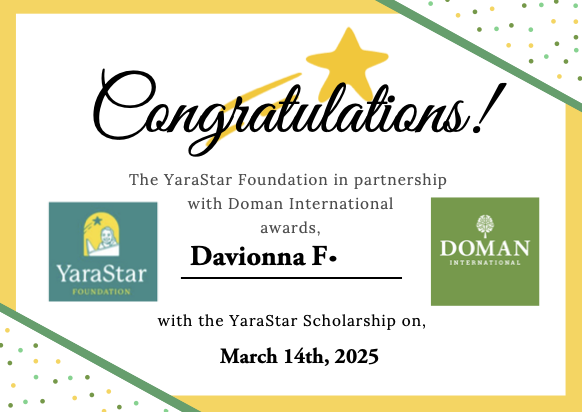
YaraStar’s scholarship, awarded in February 2025, didn’t change Davionna’s diagnosis—but it did change what was possible. It gave the family breathing room to continue, consistency to build on gains, and reassurance that they didn’t have to choose between progress and survival.
“This is our whole life,” Noelle shares. “I don’t know where I’d be without the coaching support.”
Today, mom dreams of Davionna walking, experiencing greater independence, & meaningful relationships. Her parents know there is still work ahead—but they’ve already witnessed changes once thought impossible. With sustained support and steady belief, her journey continues, one hard-earned milestone at a time, showing what’s possible for families navigating long-term neurodevelopmental therapy for children with Down syndrome.