Hannah’s Story: Chasing Independence with Down Syndrome
Hannah Pingault is twelve, and mornings in her home begin earlier than most. For years, her parents learned to wake before dawn, ready for long days shaped by constant supervision, communication hurdles, and the emotional weight that comes with supporting a child with Down syndrome. Hannah’s diagnosis affected nearly every part of daily life—rest was scarce, self-care required hands-on help, and frustration often surfaced when words couldn’t come easily. Yet even in those demanding seasons, her family chose consistency, believing that steady effort could open new possibilities.
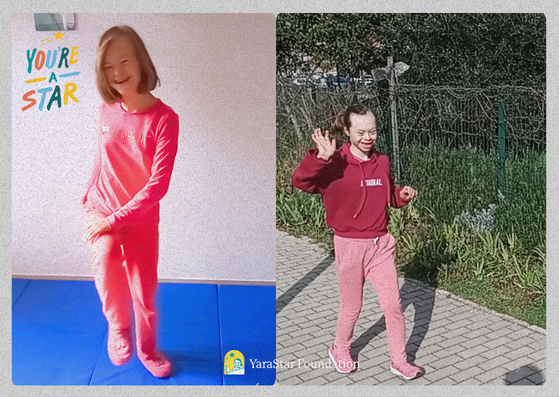
Before Hannah’s progress took root, everyday routines were hard-won. Agitation made calm moments unpredictable. Physical activity was limited, illness frequent, and expressing needs often led to strain for both Hannah and her parents. “There were days when it felt like everything required extra energy,” her mother shared quietly. Still, they pressed on—adjusting family rhythms, coordinating support at home, and committing hours each day to help Hannah build skills step by step.
Building Skills That Change Daily Life
Over time, Hannah’s growth began to show in tangible ways. Where reading was such a challenge, today, her reading level has improved to that of a seven-year-old level. She recognizes words and sentences with growing confidence. Using a choice board, she answers questions about what she reads—something that once felt out of reach. Her understanding has deepened, her conversations have lengthened, and people outside her family are now able to understand her more easily.
“I hope that Hannah will make enough progress to become an autonomous and active adult in society.”- Mom
Support That Sustains Progress
Hannah’s family works closely with Doman International, following a structured neurodevelopmental approach that focuses on reading, language, mobility, and overall brain organization. Visual supports help Hannah concentrate. Physical and respiratory activities strengthen coordination and endurance. Nutrition changes have eased digestion challenges and improved her overall health. Together, these efforts have brought noticeable quality-of-life shifts—fewer daily frustrations, stronger peer interactions, and growing confidence in social settings.
“Her confidence in general—especially in her relationships with peers—has improved thanks to her better ability to express herself.”- Doman Method Staff Coach
Making Room to Keep Going
With two children in intensive programs and three others still at home, sustaining this level of care required support. A scholarship from YaraStar Foundation eased the strain, allowing Hannah’s parents to stay the course without sacrificing consistency. That relief didn’t remove challenges—but it helped make perseverance possible.
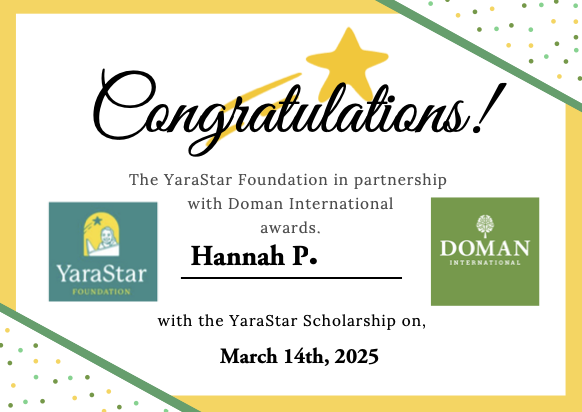
Today, Hannah runs farther, having ran a 5Km distance, communicates more clearly, and participates more fully in daily life. Her parents look ahead with hope, trusting that continued progress will move her closer to independence—not all at once, but one steady step at a time.
Please share this success story to someone you know who has a child with Down Syndrome, so they can learn about ways to help their child.