
When Small Steps Feel Like Mountains: Hitansh’s Journey Forward
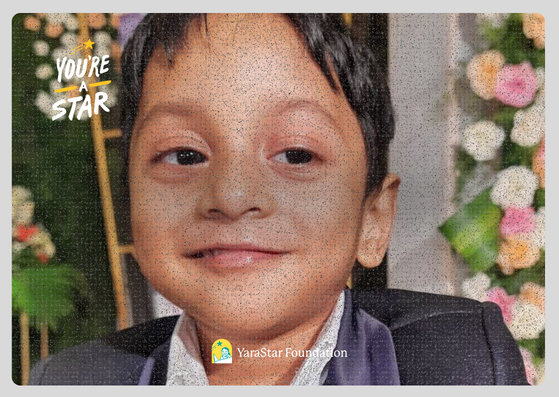
Five-year-old Hitansh does not yet run when someone calls his name. He does not look up and say, “I’m thirsty,” or “I’m tired.” Instead, his world is communicated through gestures, sounds, and the quiet intuition of parents who have learned to read him with extraordinary care.
With CTNNB1 gene syndrome, daily life moves differently. Hitansh cannot be left unattended. Feeding, drinking water, toileting — these are not quick moments between errands. They are shared efforts. His parents often have to guess what he needs. Is he uncomfortable? Is he overwhelmed? Is he simply trying to say something that won’t quite come out?
At five years old, independence is something many families expect. For Hitansh’s family, it is something they are building — patiently, deliberately, one skill at a time.
And yet, within the effort, they see something more.
They see the way he focuses when a book is placed just out of reach. They see determination in the way he crawls toward something he wants. They see a spark of possibility that reaches far beyond the limits they were once told to accept.
Choosing a Different Rhythm
Hitansh lives in India, where his parents first followed the traditional path of physical and speech therapy. There was progress — he even learned to walk with orthopedic shoe support, a moment that felt monumental.
But eventually, they were told there was little more that could be done to develop his mobility further.
For some families, that might have been the end of the road.
For Hitansh’s parents, it became the beginning of a search.
When they saw another child with the same diagnosis growing in strength and independence through a structured neurodevelopmental program, hope shifted from distant theory to something tangible. They chose to try.
His mother arranged her work so she could be home. His father gives hours each day. Another caregiver joins when possible. Their living room floor became a place of crawling exercises, creeping practice, and carefully guided repetition. The work is steady. It is not glamorous. It requires endurance.
But they have not stopped.
“Yes, it's good to know we are not alone and sometimes when we hear the success stories we get some hope too and helps us to get motivated.” -Hitansh’s Mom
That hope fuels consistency.
Protecting the Work
The program they follow is based outside their country, which brings financial pressure for a single-income household. Continuing every six months requires sacrifice. Still, they believe the structure, the training, and the daily rhythm it gives them is worth preserving.
A YaraStar scholarship gave them the ability to continue without interruption — to protect the consistency that progress depends on.
Inches That Matter
Hitansh will crawl across the living room floor toward a stack of books. The movement is purposeful. He wants something — and he goes for it.
His body may still be learning balance and coordination, but his dignity is unmistakable.
His parents’ goals are simple and clear:
Longer-distance crawling and creeping
Standing and walking independently
Communicating through a Choice Board
Eventually speaking meaningful words
Feeding himself and becoming toilet trained
Attending school
For this family, progress is measured in inches before it is measured in miles.
But they believe those inches matter.
And with sustained support, those inches can become steps — steps Hitansh will one day take on his own.